 RU
RU
 KG
KG
 EN
EN
About the Project
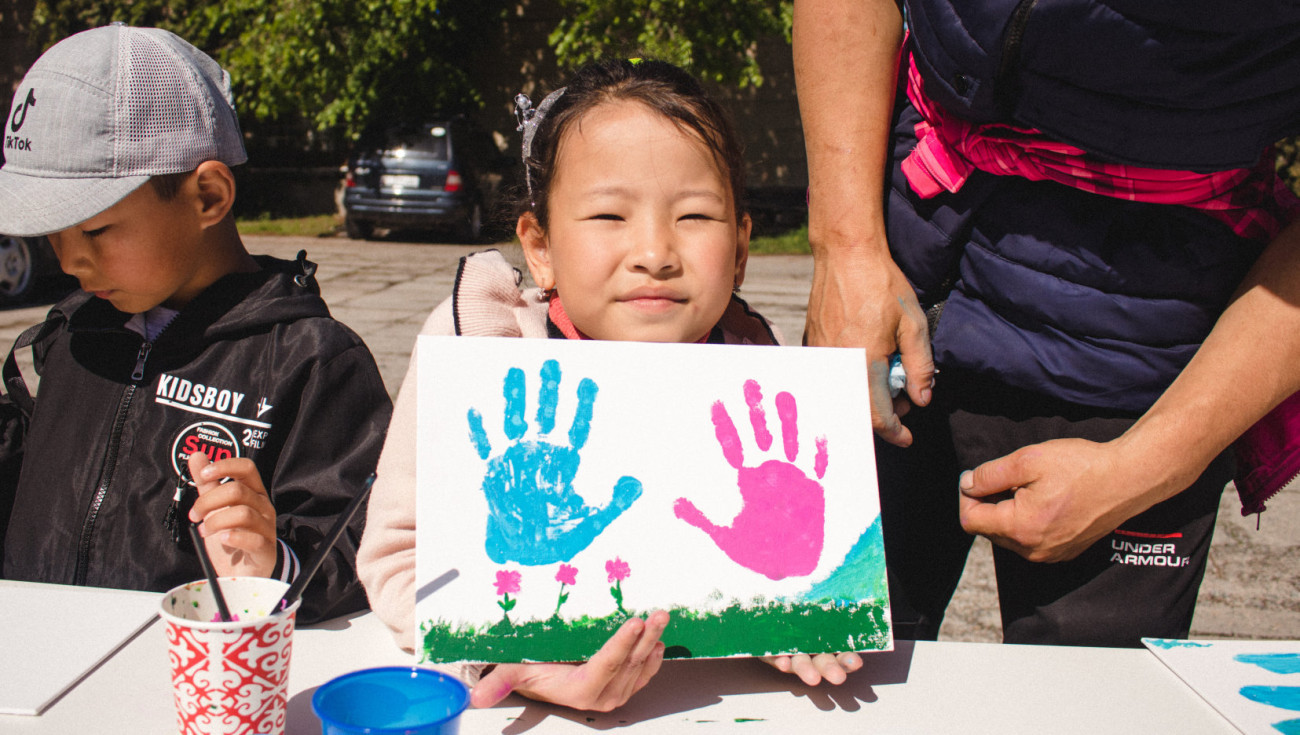
The project “Inclusive Society for Children with Disabilities. Phase 3” is being implemented in the Kyrgyz Republic with the support of international donors. It focuses on advancing systemic improvements in rehabilitation services and social integration by strengthening public institutions' capacity, introducing modern diagnostic and therapeutic approaches, supporting families of children with disabilities, and fostering an inclusive environment. The project is designed to operate across three interconnected levels—state institutions, professionals, and families of children with disabilities, thereby ensuring a comprehensive and sustainable impact.
Project Objective
To promote the development of an inclusive society by ensuring equal opportunities and the realization of the rights of children with disabilities in the Kyrgyz Republic (сontribution to SDG 10. Reduced Inequalities).
Project partners:
-
“Hand in Hand” Public Association of Parents of Children with Autism
-
“Equality” Union of People with Disabilities
-
Public Foundation “Kol Tabyy” for the Protection of Motherhood and Childhood
-
Information-Consultation and Demonstration Center “Stimulus”
Overall goal: Children with disabilities (CWD) in Kyrgyzstan and Tajikistan live dignified lives in inclusive societies where their rights and freedoms are respected, and they have barrier-free access to public services and opportunities.
Key results in 2020–2021:
Kyrgyzstan
-
From May to October 2020, FSDS Foundation provided technical assistance to families with disabilities attending rehabilitation centers in the regions.
-
71 children with disabilities (35 girls, 36 boys) received assistive devices, including wheelchairs, glasses, hearing aids, and walkers.
-
Advocacy efforts by the Janyryk network contributed to changes in disability criteria, expanding coverage for children with disabilities in the Kyrgyz Republic.
-
A Council for Child Disability and Rehabilitation was established under the Osh City Administration.
-
Early intervention issues were integrated into the Osh Mayor’s Office action plans.
-
A memorandum promoting inclusive education in Osh city was signed.
-
Project information campaigns helped reduce stigma and improve public attitudes toward children with disabilities.
-
Lobbying initiatives by the partner organization “Hand in Hand” and parents of children with disabilities led to changes in assessment procedures for children with mental disabilities.
-
Children with autism were included in the list of conditions that do not require inpatient examination for diagnosis.
Tajikistan
-
A presidential decree in 2020 equalized pensions for children with disabilities.
-
A memorandum of cooperation was signed between “Ranginkamon” and the European Association for Early Intervention.
-
Awareness activities on autism and a conference on Down syndrome inclusion were held in Khujand.
-
The Ministry of Health decided to open “Mother and Child” rooms in health centers to support early childhood.
-
A service directory for CWD/PWD and their families in 18 districts of the Sughd region was developed.
-
In March 2021, the forum “New Era – From Early Intervention to Inclusion” was held to exchange experiences and showcase income-generating initiatives.